Brief History
Bijapur is referred to in the inscriptions as Vijayapura. The history of the region is traced from the 6th century CE. It formed part of the kingdom of the Chalukyas of Badami, and subsequently in succession it came under the control of the Rashtrakutas, Kalyana Chalukyas, Kalachuris and the Yadavas. Bijapur attained political and cultural prominence during the rule of Adilshahi Sultans (CE 1489-1586). It surrendered to the Mughals under Aurangzeb in CE 1686 and later on came under control of the Marathas, Nizams, Peshwas, Mysore rulers.Finally,it fell into the hands of the British who ruled till India got independence.
Bijapur was the capital of the Adilshahi kings. Adilshahi rulers were great builders and patrons of all aspects of fine arts. The capital was embellished with its citadel enclosed by fortifications and many magnificent tombs such as Gol-gumbaz, Barakaman, Ibrahim Rouza, mosques such as Mecca Masjid, Jami Masjid, Ali Shahid Pir’s Mosque, Andu Masjid, Jami Masjid of Ibrahim I, palaces like Asar Mahal, Gagan Mahal, Sat Manzil, Chin Mahal, and gorgeously painted pleasure resorts and elaborate water supply systems like Taj Bauri andChand Bauri, Jal Mandir, All (four) Water Pavilion, Kumatagi. The remnants of these still stand as sentinels to the marvellous architectural innovations.
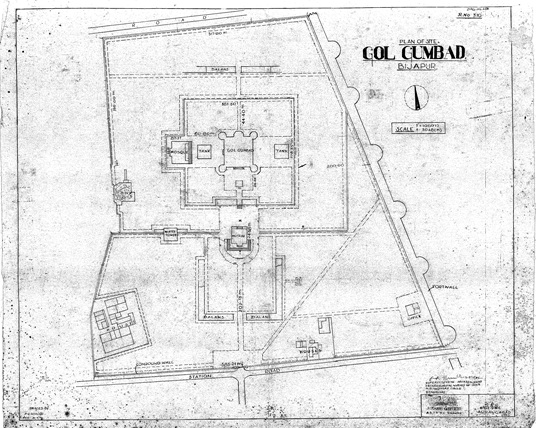
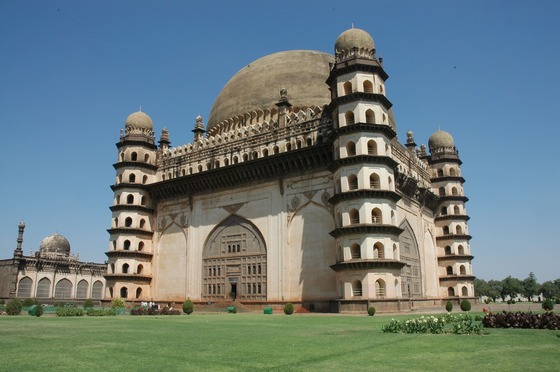
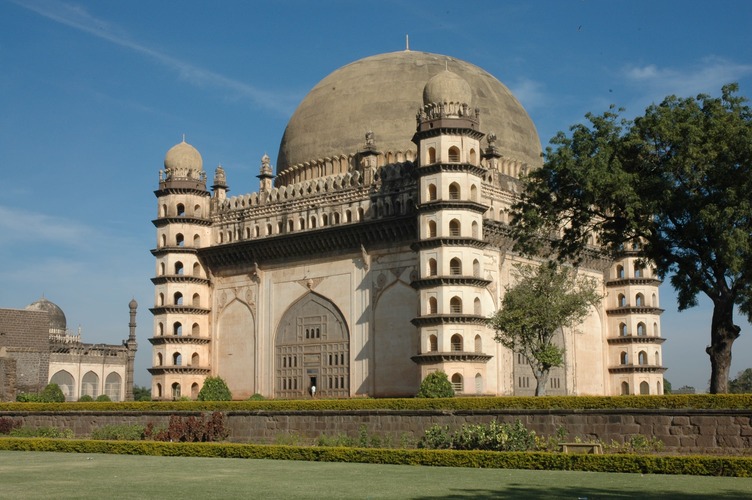
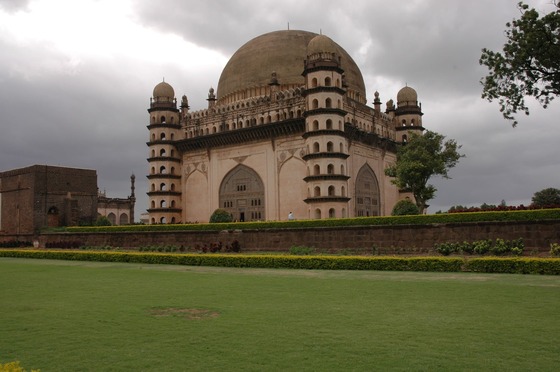
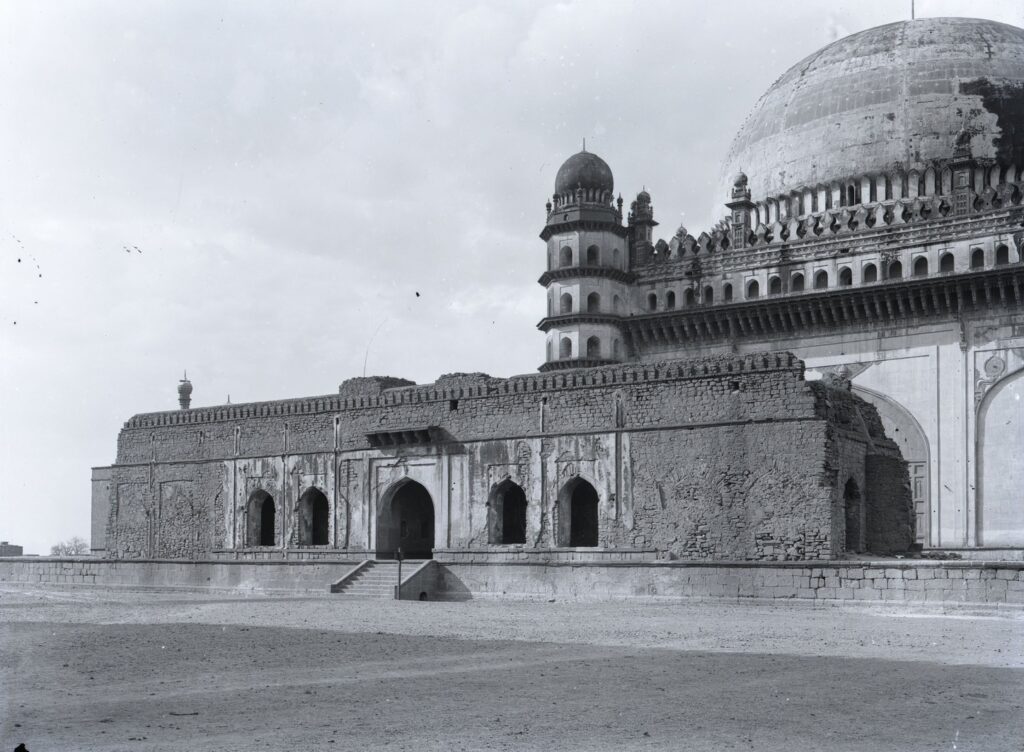
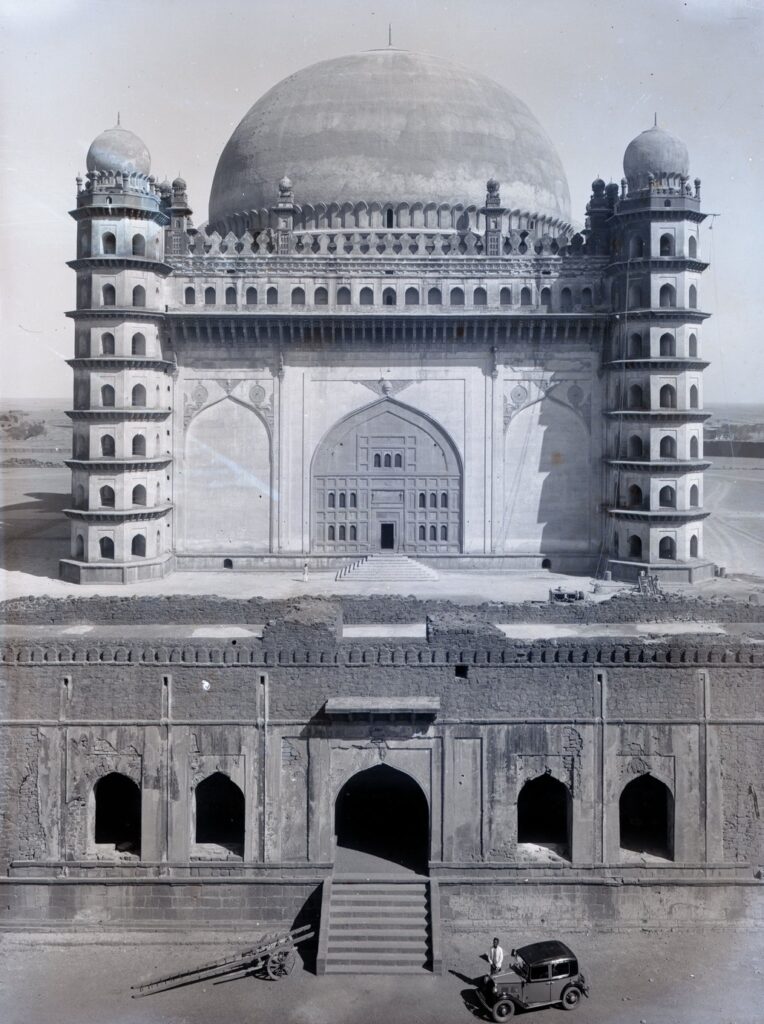
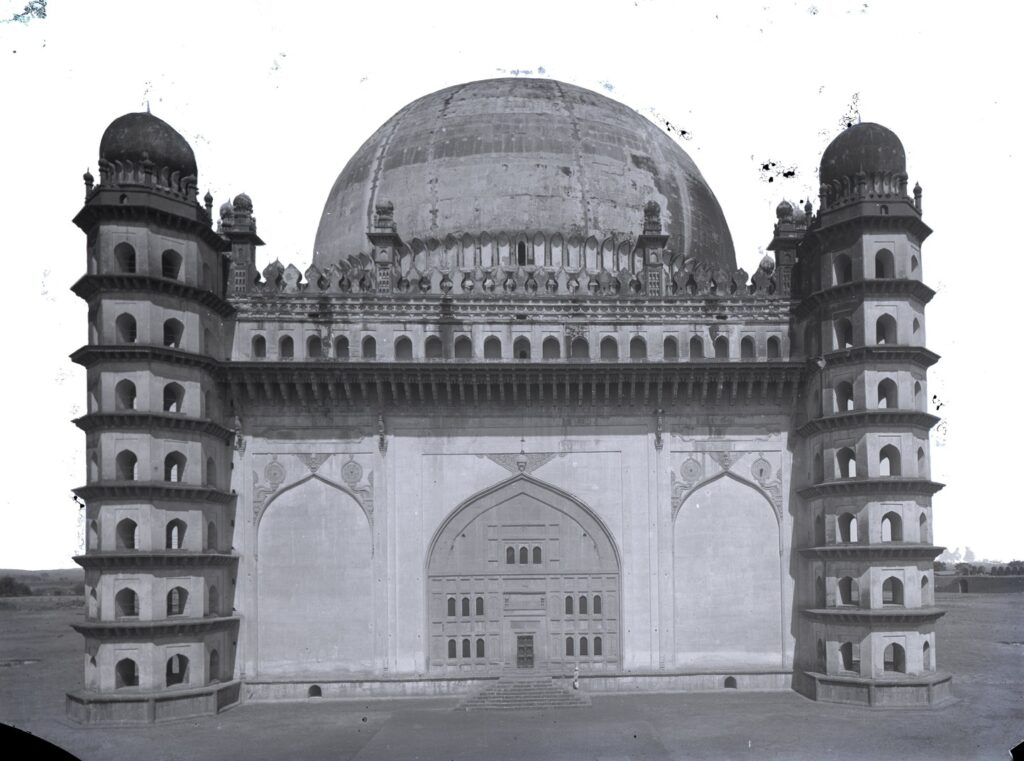
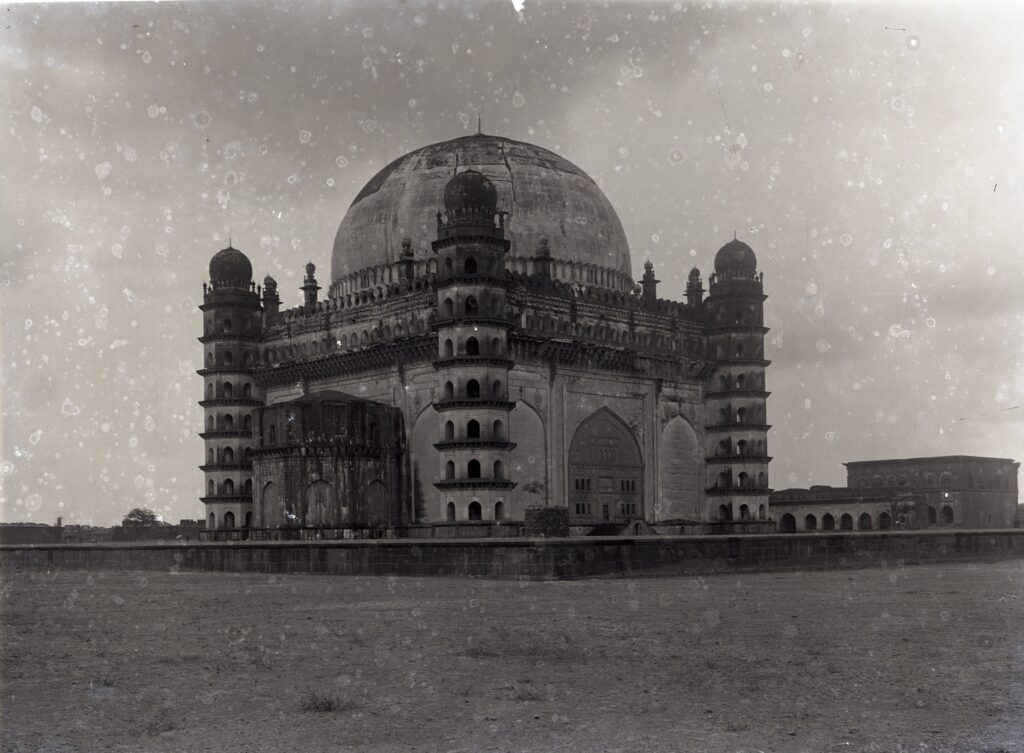
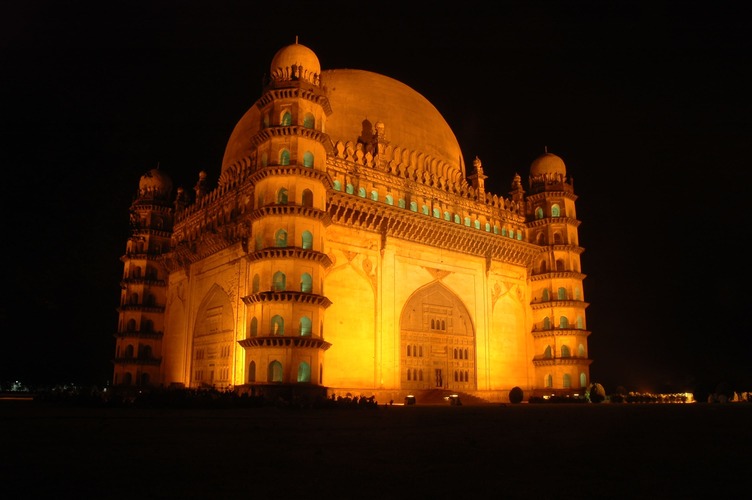
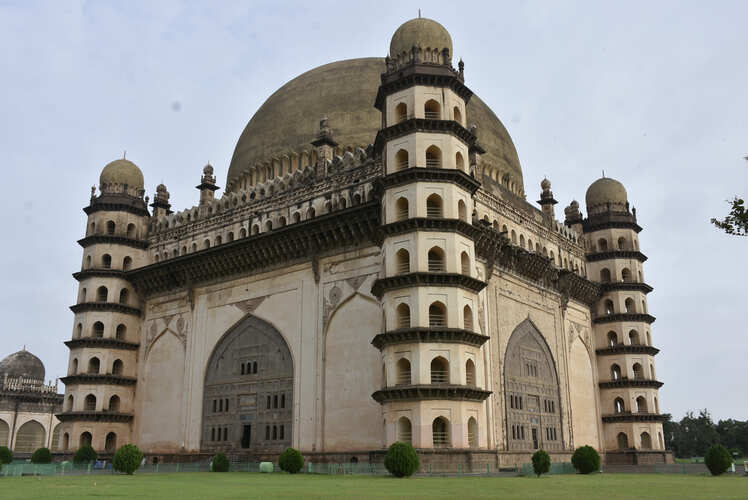
Gol Gumbaz, meaningthe Round Domed structure, is the mausoleum of Muhammad Adil shah II (1627-57 CE), the seventh Sultan of Bijapur’s Adil Shahi dynasty. Built in 1659 CE, at the architectural zenith of the Adil Shahis, its immense proportions make this mausoleum a masterpiece of Indo-Islamic architecture. With an internal diameter of 37.92 m, the tomb’s enormous dome is one of the largest in the world. It covers a floor area of 1703.56 m2, the largest under any domed building in the world.
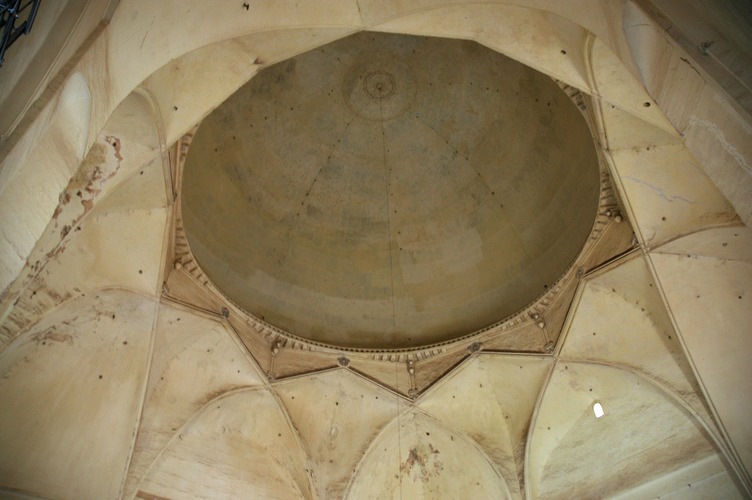
The tomb is famous for the technically ingenious, yet artistic manner in which the hemispherical dome has been constructed on a square base. Instead of pillars, the massive brick dome is supported by a system of eight intersecting arches that create interlocking pendentives (curved wall surfaces forming a transition between the circular dome and its square-shaped support) which bear the load of the dome. Though domes are frequently raised on square bases, the system of interlocking pendentives used here is uncommon.
The Gol Gumbaz is also well-known for its whispering gallery, a gallery around the base of the dome, accessed through winding staircases in the four corner towers. Because of the dome’s remarkable acoustic properties, the faintest sound made at one end of the gallery can be clearly heard at the other end. In the centre of the tomb chamber, on a platform are located, the tombstones of Muhammad Adil Shah and his family. Their real graves are in the cellar below.
ಗೋಳಗುಮ್ಮಟ ಅಂದರೆ ವೃತ್ತಾಕಾರದ ಗುಮ್ಮಟ ಎಂಬ ಅರ್ಥ. ಇದು ಮುಹಮ್ಮದ್ ಆದಿಲ್ ಷಾನ (ಕ್ರಿ.ಶ. 1627–57) ಗೋರಿಯಾಗಿದೆ. ಅವರ ಮರಣಕ್ಕಿಂತ ಮುಂಚೆ, ಅವರಿಂದಲೇ ಇದು ವಿನ್ಯಾಸಗೊಳ್ಳಲಾಯಿತು. ಇದರ ಬೃಹತ್ತು ಮತ್ತು ಮಹತ್ತುಗಳಿಂದ ಭಾರತೀಯ ವಾಸ್ತುಶಿಲ್ಪಿಗಳು ಸಾಧಿಸಿದ ಮಹಾಸಾಧನೆ ಎಂದು ಭಾವಿಸಲಾಗಿದೆ. ಇದು ಚೌಕಾಕಾರದಲ್ಲಿದ್ದು, ಪ್ರತಿಯೊಂದು ಪಾಶ್ರ್ವವೂ 205 ಅಡಿಗಳಾಗಿದ್ದು, ಕಟ್ಟಡದ ಎತ್ತರ 200 ಅಡಿಗಳು. ಇಲ್ಲಿರುವ ನಾಲ್ಕು ದಪ್ಪ ಗೋಡೆಗಳ ಮೇಲೆ 144 ಅಡಿ ವ್ಯಾಸವಿರುವ ದೊಡ್ಡ ಗುಮ್ಮಟವಿದೆ. ಒಳಗಿನಿಂದ ಹಜಾರದ ಅಗಲ 135 ಅಡಿಗಳು ಮತ್ತು ಎತ್ತರ 178 ಅಡಿಗಳು. ಇದರ ವಿಸ್ತಾರ ಹದಿನೆಂಟು ಸಾವಿರ ಚದರ ಅಡಿಗೂ ಮೀರಿದೆ. ಅತ್ಯಂತ ಬೃಹತ್ ಕಟ್ಟಡ ಎಂದು ಭಾವಿಸಲ್ಪಟ್ಟಿರುವ ಗ್ರೀಸ್ ದೇಶದ ಪಾರ್ಥೆನಾನ್ ಅನ್ನು ಇದು ಮೀರಿಸಿದೆ. ಹೀಗೆ ವಾಸ್ತುಶಿಲ್ಪ ಪ್ರಪಂಚದಲ್ಲಿ ಗೋಳಗುಮ್ಮಟವು ವಿವಿಧ ಭಾಗಗಳ ಬೃಹತ್ತಿನಿಂದಾಗಿ ಶ್ರೇಷ್ಠವಾಗಿ ಮೆರೆಯುತ್ತಿದೆ. ಇದರ ವಿವಿಧ ಭಾಗಗಳನ್ನು ನಿಪುಣತೆಯಿಂದ ವಿನ್ಯಾಸಗೊಳಿಸಿರುವುದು — ಕಮಾನುಗಳು, ಕಾರ್ನೀಸುಗಳು, ಅಲಂಕೃತ ಗೋಡೆಗಳು ಮತ್ತು ಮುಖ್ಯ ಗುಮ್ಮಟವನ್ನು ಮಧುರವಾಗಿ ಸಾಮರಸ್ಯಗೊಳಿಸಿರುವುದು — ಇದರ ವೈಶಿಷ್ಟ್ಯಪೂರ್ಣತೆ ಹಾಗೂ ತಾಂತ್ರಿಕತೆಗೆ ಕನ್ನಡಿ ಹಿಡಿದಂತಿದೆ. ತುಂಬಾ ಜಾಣ್ಮೆಯಿಂದ ಚೌಕಾಕಾರ ವಿನ್ಯಾಸದ ಹಜಾರವನ್ನು ಎಂಟು ಕೋಣಗಳಾಗಿ ಪರಿವರ್ತಿಸಿ, ಅದರ ಮೇಲೆ ಗುಮ್ಮಟದ ಇಡೀ ಭಾರವೇ ನಿಲ್ಲುವಂತೆ ಮಾಡಿರುವುದು ಗಮನಾರ್ಹ ಸಂಗತಿ. ಈ ಗುಮ್ಮಟವು ಇಡೀ ಏಷ್ಯಾದಲ್ಲೇ ಅತ್ಯಂತ ದೊಡ್ಡದು; ಪ್ರಪಂಚದಲ್ಲಿಯೇ ಎರಡನೆಯದು. ಗುಮ್ಮಟವು ಗಾರೆಯಿಂದ ನಿರ್ಮಿತವಾದ ಕಮಾನು ಛಾವಣಿಯಾಗಿದ್ದು, ಇದರ ದಪ್ಪ ಹತ್ತು ಅಡಿಗಳಾಗಿದ್ದು, ಇದರಲ್ಲಿ ಆರು ತೆರಪುಗಳಿವೆ. ಗುಮ್ಮಟದ ಒಳಭಾಗವು ಒಳಗಿನ ವೃತ್ತದಿಂದ ಹನ್ನೆರಡು ಅಡಿ ದೂರದಲ್ಲಿರುವುದರಿಂದ, ಗುಮ್ಮಟದ ಇಡೀ ಭಾರವು ನಾಲ್ಕು ಗೋಡೆಗಳ ಮೂಲಕ ಕೆಳಗಿನವರೆಗೆ ಹೋಗುವಂತೆ ನಿರ್ಮಿಸಲಾಗಿದೆ. ಒಂದು ಚೌಕ ಹಜಾರವನ್ನು ಮೇಲೆ ಹೋಗುತ್ತ ಅಷ್ಟಕೋಣಾಕೃತಿಯನ್ನಾಗಿ ಪರಿವರ್ತಿಸಿ, ಕೊನೆಯ ಹಂತದಲ್ಲಿ ಅದನ್ನು ವೃತ್ತಾಕಾರಕ್ಕೆ ತಿರುಗಿಸುವುದು ನಿಜವಾಗಿಯೂ ಒಂದು ತಾಂತ್ರಿಕತೆಯ ಕೌಶಲ. ಸೌಧದ ಮೇಲಕ್ಕೆ ಹತ್ತಲು ನಾಲ್ಕು ಕಡೆಗಳಲ್ಲಿ ಆರು ಪಾಶ್ರ್ವದ ಮೆಟ್ಟಿಲುಗಳಿವೆ. ಇವುಗಳ ತುದಿಯಲ್ಲಿ ಸಣ್ಣ ಗುಮ್ಮಟಗಳಿವೆ. ಇವುಗಳಿಂದ ಇಡೀ ಸೌಧದ ಸೌಂದರ್ಯ ಹೆಚ್ಚಿದೆ. ಈ ಸೌಧಕ್ಕೆ ಇನ್ನೊಂದು ಹೆಚ್ಚಳವಿದೆ — ಇದು ಪಿಸುಮಾತಿನ ಮೊಗಸಾಲೆ ಎಂಬ ಖ್ಯಾತಿಗೂ ಭಾಜನವಾಗಿದೆ. ಇದರಲ್ಲಿ ತೀರ ಮೆಲುದನಿಯೂ ಕೂಡ ನೂರ್ಮಡಿಯಾಗಿ ಹೊರಹೊಮ್ಮುತ್ತದೆ. ಆದ್ದರಿಂದ ಇದು ಪ್ರಪಂಚದಲ್ಲಿಯೇ ಪಿಸುಮಾತಿನ ಗ್ಯಾಲರಿ ಎಂದು ಪ್ರಸಿದ್ಧಿ ಪಡೆದಿದೆ.
Video Documentary
Gol Gumbaz English Brochure