
Pattadakal as World Heritage Site
The Group of Monuments at Pattadakal (15°56”54 N; 75o49”06 E) is 22 km northeast of Badami, a taluka headquartersin district Bagalkote.
In 1972, the General Conference of UNESCO adopted a resolution with overwhelming enthusiasm creating a Convention concerning the protection of the “World Cultural and Natural Heritage”. The main objectives were to define the World Heritage in both cultural and natural aspects; to enlist Sites and Monuments from the member countries which are of exceptional interest and universal value, the protection of which is the concern of all mankind; and to promote co-operation among all nation and people to contribute for the protection of these universal treasures and keep them intact for future generations. As of2025, World Heritage list has, 1223 sites including 952 cultural, 231 natural and 40 mixed properties from 16 State parties. There are 43 sites from India comprising 35 cultural, 7 natural and 1 with mixed property.
The Group of Monuments at Pattadakal is declared as WORLD HERITAGE SITE (239) by the UNESCO in 1987, in recognition of its ‘Outstanding Universal Value’, contribution to humanity in the field of art and architecture in the global context during those particular periods. As such, it is the responsibility of the entire mankind to ensure the better preservation of these monuments to the posterity.
Historical Perspective
The antiquity of Pattadakal goes back to the pre-historictimes. The place has yielded cultural vestiges ranging in date from the palaeolithic to modern times. In ancient times, this place was known as Kisuvolal, or Raktapura in Sanskrit,which means‘Red City’, or Pattada–Kisuvolal. In Ptolemy’s work on Geography(c. 150 CE), it is called ‘Petirgal’. In Kavirajamarga of Shrivijaya, the earliest work in Kannada on poetics (c. 840 CE), Kisuvolal is identified as one of the borders of chaste Kannada speaking region, the other three being Kopana (Koppal, Koppal district), Purigere (Lakshmeshvar, Gadag district) and Okkunda (Vakkunda, Belagavi district). Later it is mentioned asPattasilapura or Hammirapurain Singiraja’sHammirakavya, c.16th century.
Chalukyan monarchs, as mentioned in epigraphs and literature of early medieval period, were crowned in this place and hence the name Pattada-Kisuvolal or Pattadakal,“the place of coronation”. The group of temples built during the period of Chalukyas of Badami (7th-8th Centuries CE), is the landmark of this place. They illustrate the peak ofChalukyan Art, Architecture, and Sculpture along with numerous inscriptions. Pattadakal was a place of religious and cultural activities too. It flourished as a cultural capital mainly due to its strategic and sacred location, where the river Malaprabha takes a northerly turn (uttaravahini), the direction in which the sacred Ganga riverflows.
Architectural Achievements
The political stability coupled with abundant material prosperity and peaceful atmosphere, and a high level of religious tolerance in Chalukyan dominion fostered all round cultural development.This is especially reflected in the fields of art, architecture, literature, administration and other such arenas. For the first time in South Indian context, there was a spurt in the religious architecture, both in the rock-cut and structural. Experimentation in arriving at functionally viable and aesthetically appealing temple models was carried out in the three main centres of architecture viz., Aihole, Badami and Pattadakal.
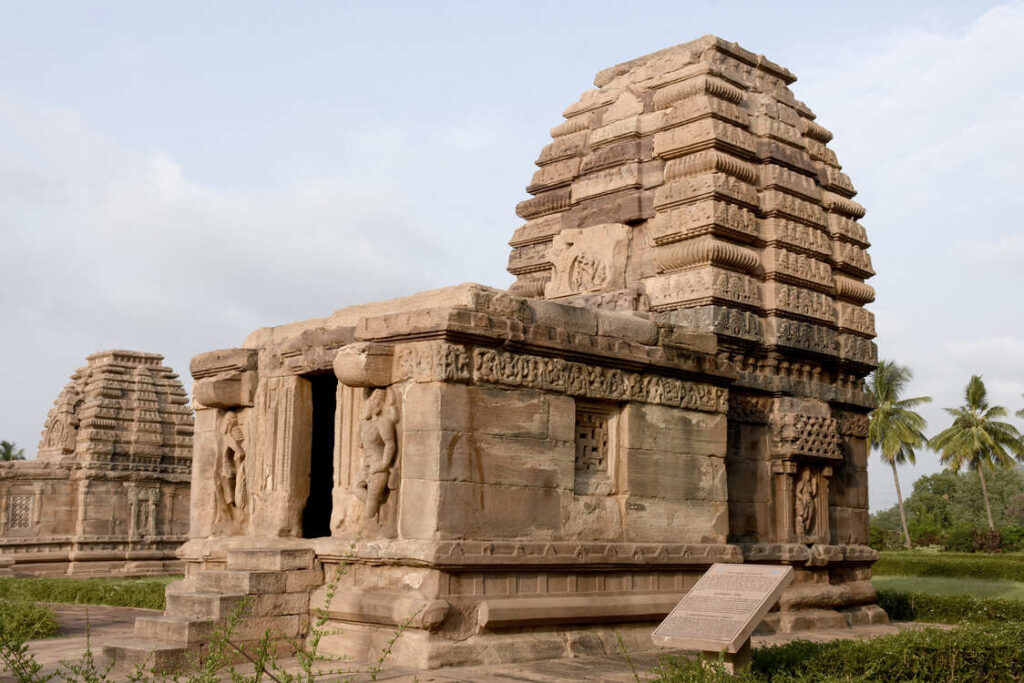
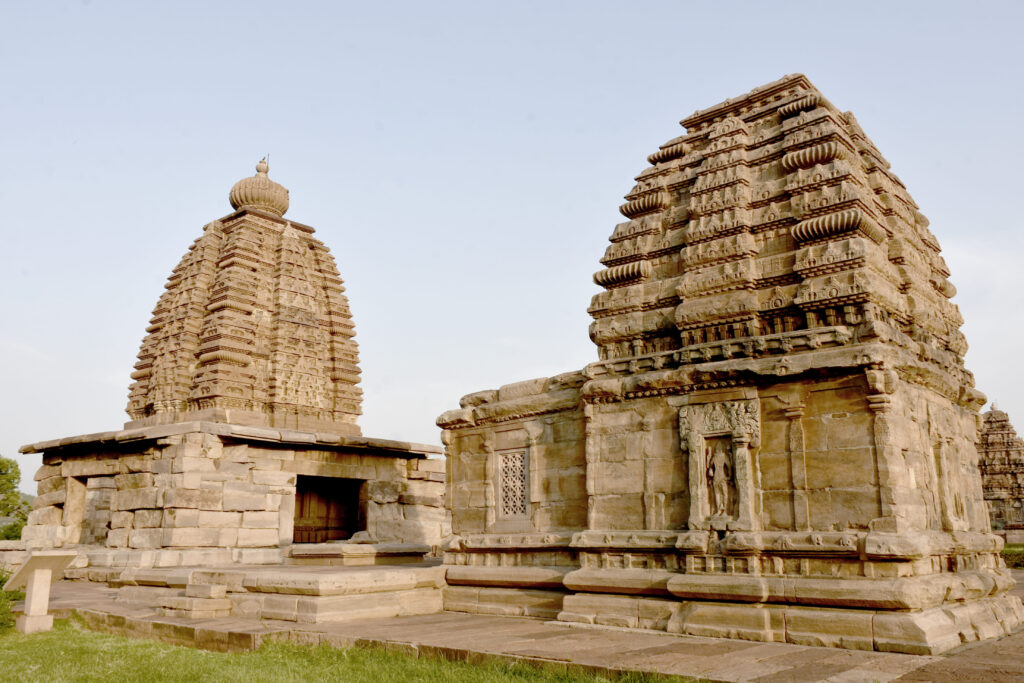
Several indigenous elements were harmoniously blended with the architectural and sculptural traits of the ‘northern’ and ‘southern’ styles then in vogue. The greatest contribution of the Chalukyas of Badami thus is the evolving of the two main temple styles – the southern Dravida-Vimana and the northern Rekha-Nagara Prasada through a series of experimentations that commenced at Aihole, continued at Badami and culminated at Pattadakal. The political conflicts with the Pallavas of Kanchipuram had a positive effect in so far as the efflorescence and diffusion of architectural and sculptural styles, proving beneficial to both.
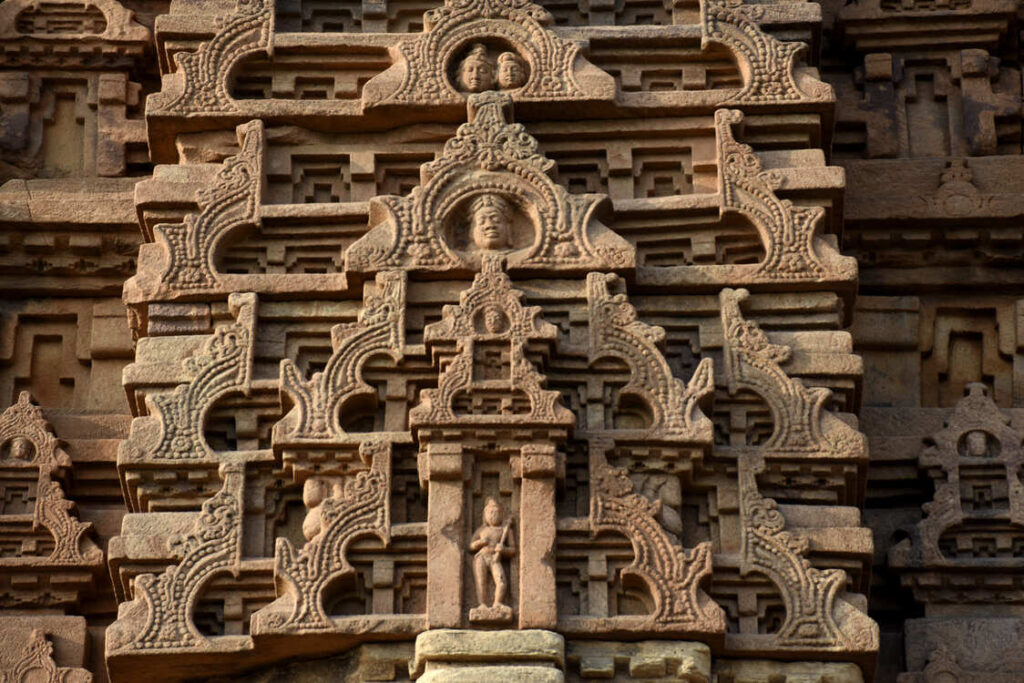
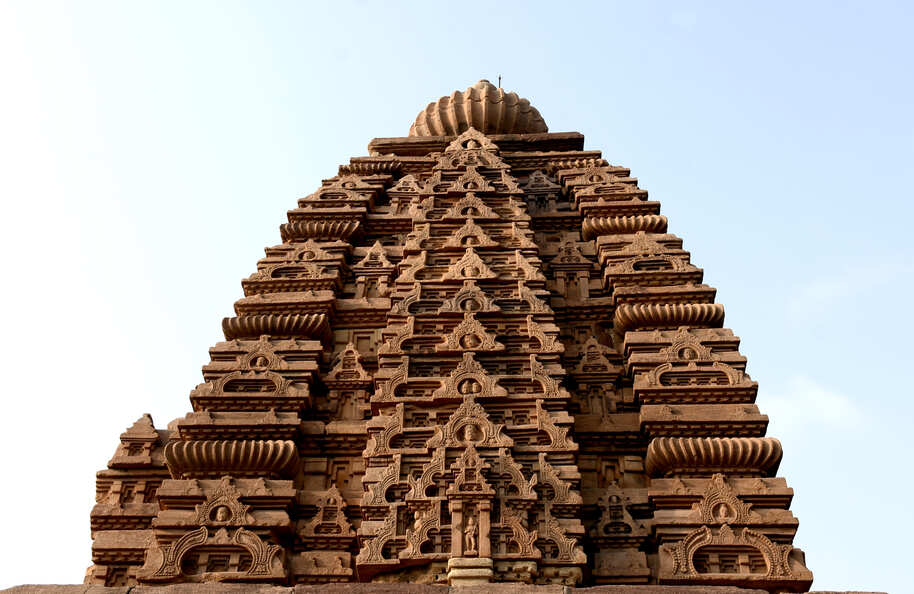
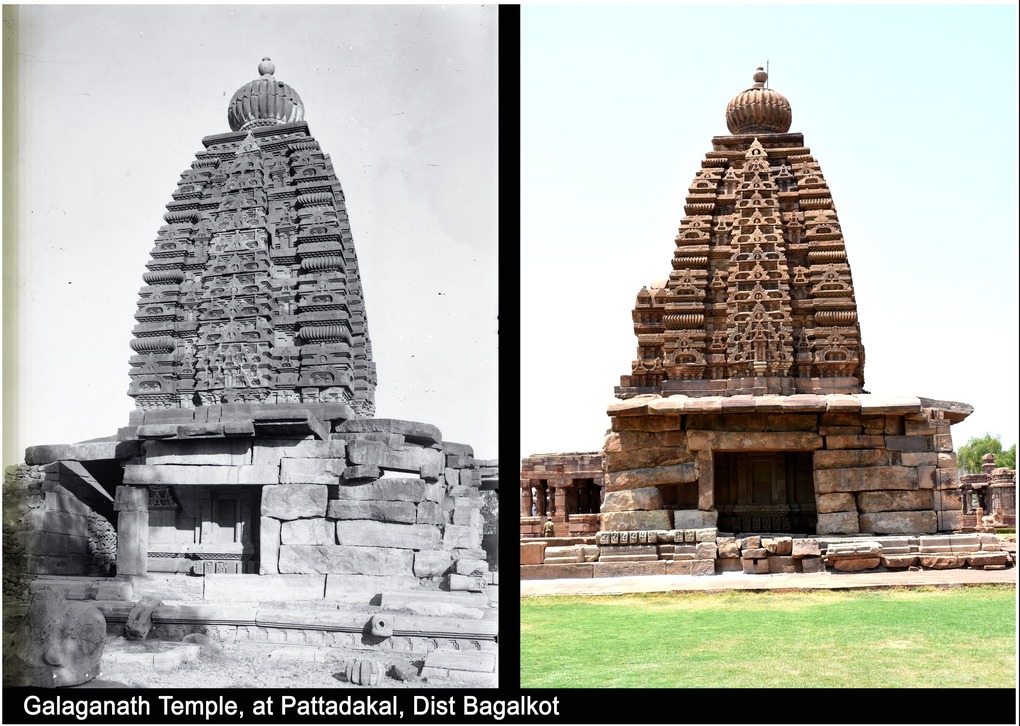
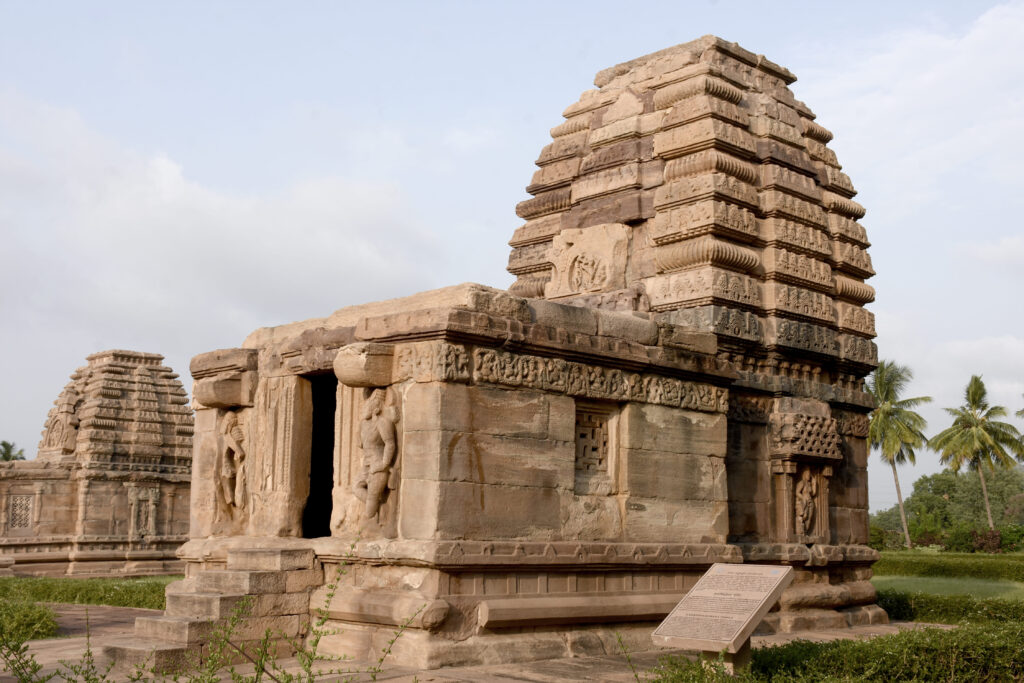
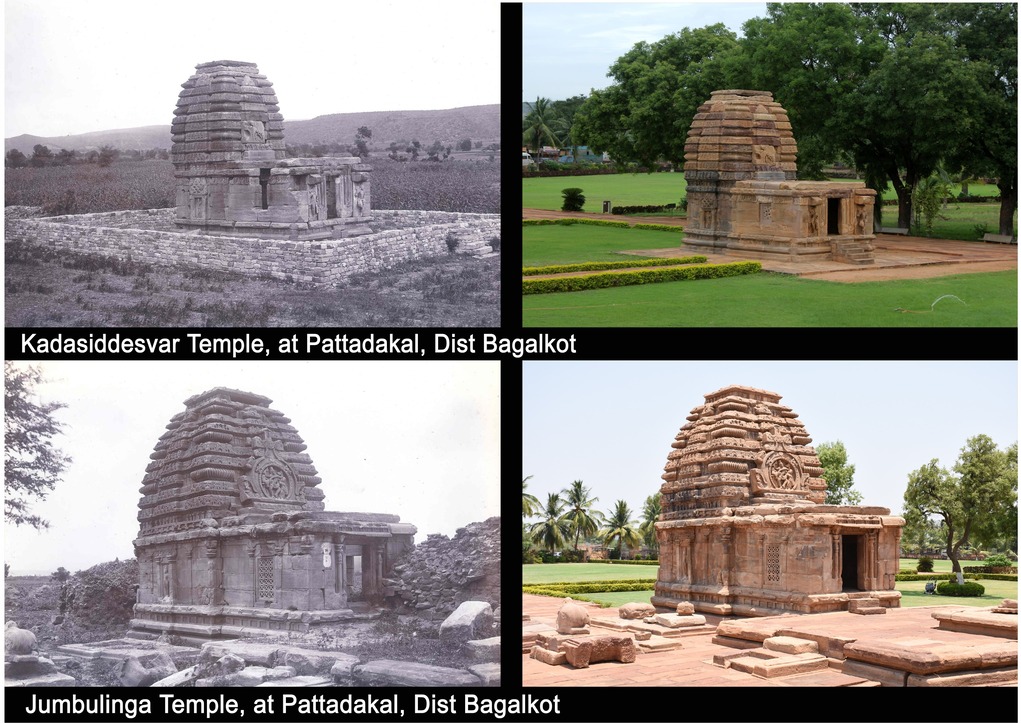
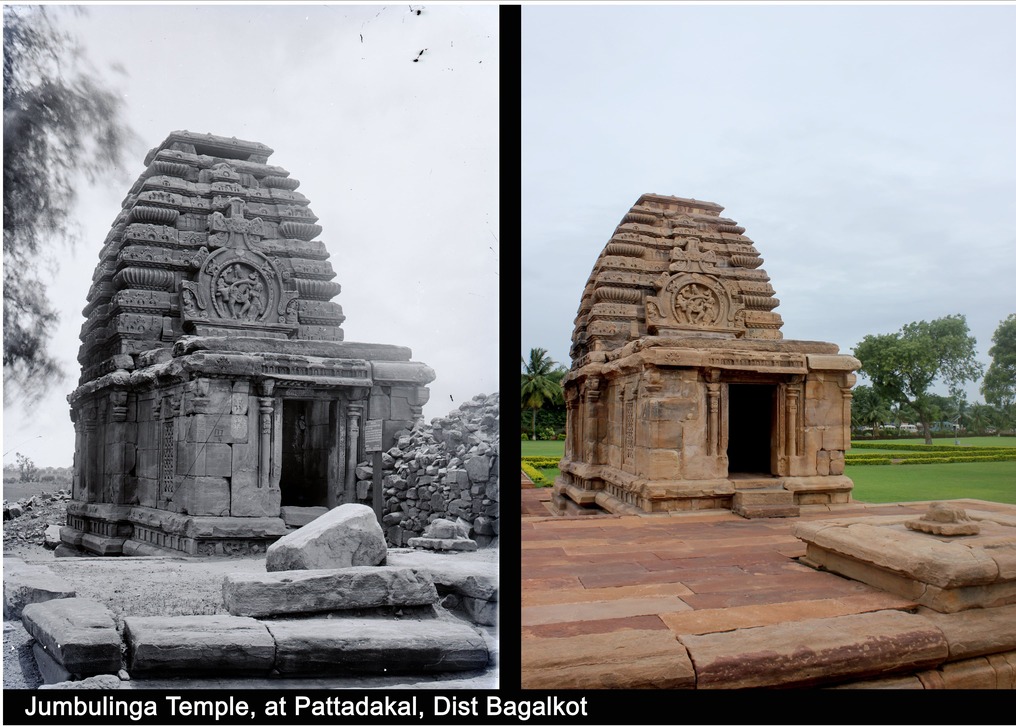
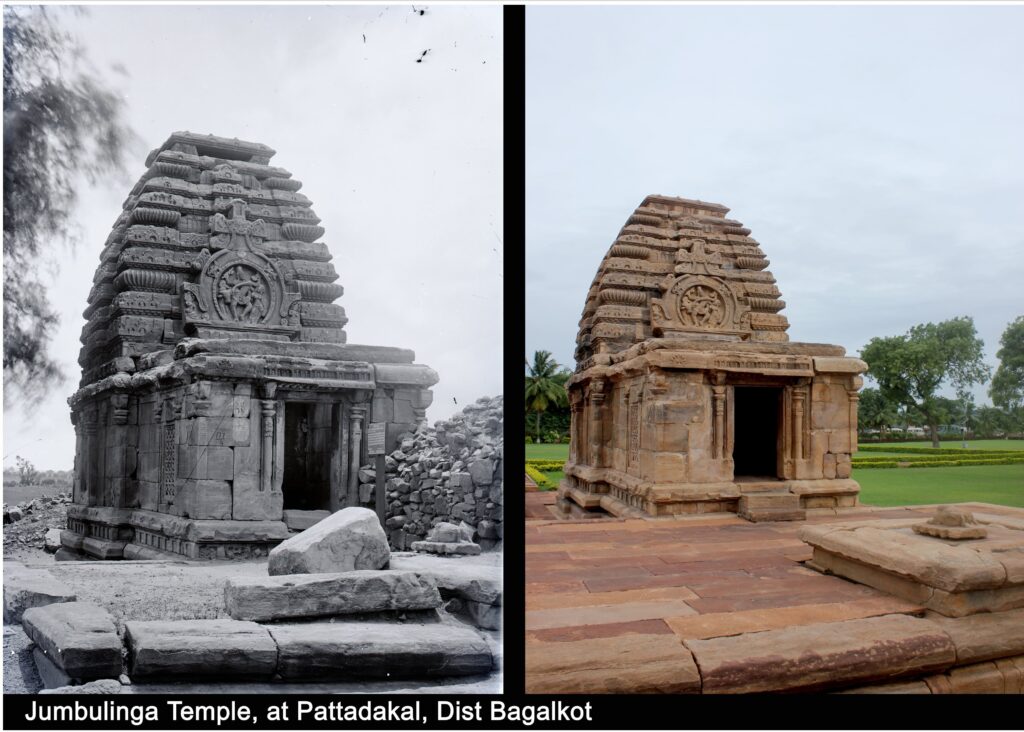
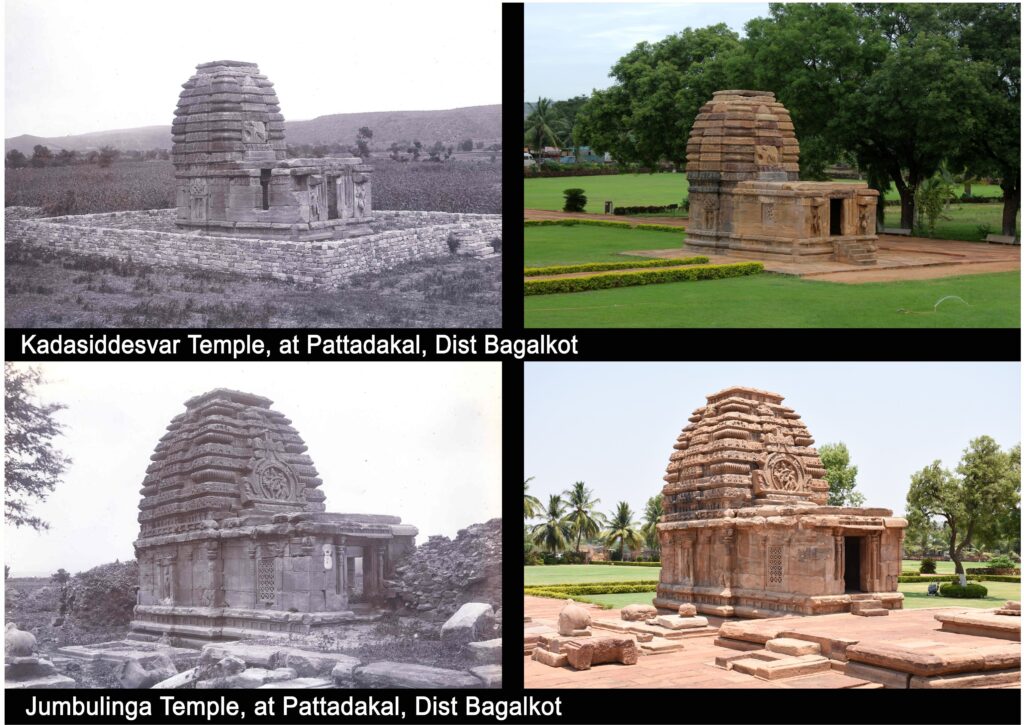
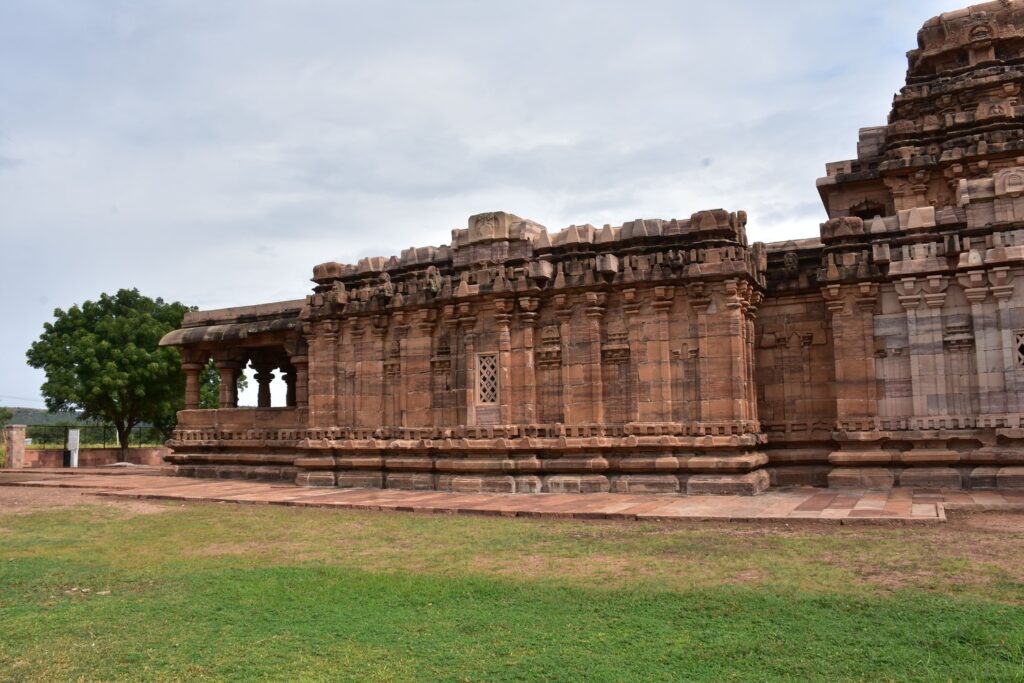
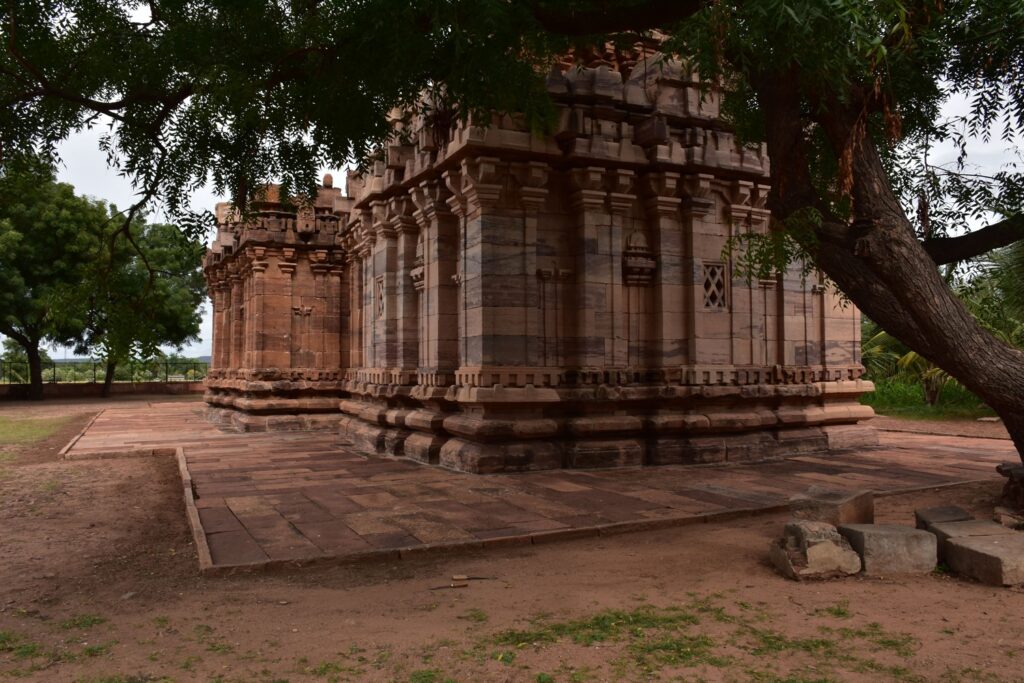
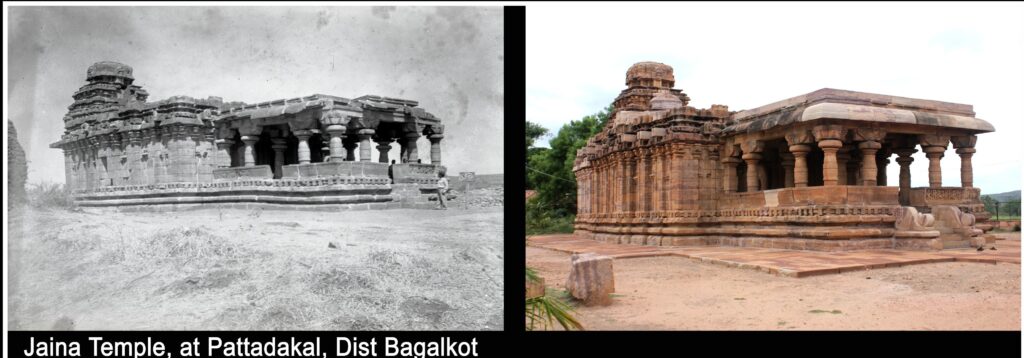
Ten temples comprise the group of temples at Pattadakal, 8 in one cluster, 01 about 200m south of the main cluster and another located about 0.5 km northwest of the main group. These temples stylistically resolve into two distinct categories. The Dravidian Vimana type represented by the Virupaksha, Mallikarjuna and Sangameshwara temples and the Rekha-Nagara Prasada type represented by the Kadasiddeswara, Jambulinga, Galaganatha, Kasi-Visweraswara and Papanatha temples. The Sangameswara temple, earliest dateable structure in the group is a perfect example of Dravidian Vimana. The Virupaksha temple built by Lokamahadevi, the chief queen of King Vikramaditya II (733-745 CE) was originally named after her as ‘Lokeshvara’. This is an example in which the canonical elements pertaining to the plan, elevation and the style are blended with the genius of the architects. The exterior wall surface of the temple is symmetrically relieved with the sculptures of Hindu gods and goddesses exhibiting vitality and graceful anatomy. The pillars in the interior are embellished with narrative panels depicting selected epic episodes. The adjoining Mallikarjuna temple is another exemplary Dravidian Vimana type edifice. The Galaganatha temple, in the complex illustrates the fully developed Rekha-Nagara Prasada form and shares many features of the Chalukyan temples of Alampur in adjacent Telangana.
The epigraphs record the date and persons responsible for some temple constructions besides containing information on the architects and artists of the period, enhancing the significance of these structures. In a nutshell, the temples of Pattadakal “provide a striking illustration of the co-existence of different building styles and artistic traditions”.
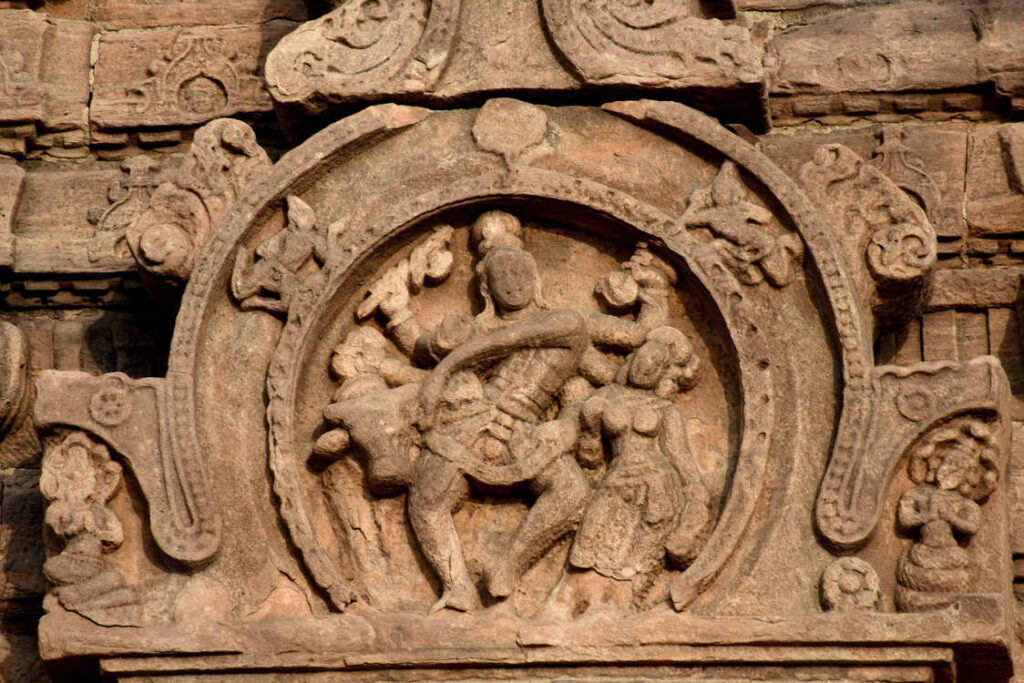
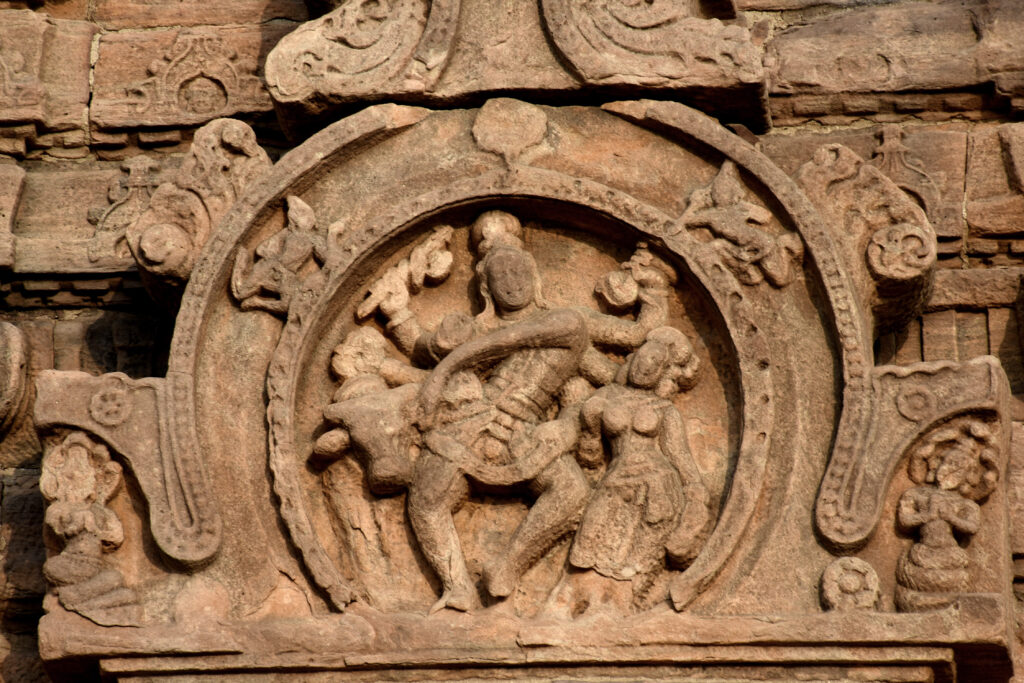
The sculptures are characterised by grace, rich imagination and delicate anatomical and ornamental details. The beautifully proportioned sculptures of Mithuna, Dikpalas and Surya on the ceilings, gracefully carved Durga, Nataraja,Lingodbhava, Ardhanarishvara, Gajasurasamhara, Andakasursamhara and other Saiva sculptures. Vishnu as Varaha in a variety of moods, vibrant Trivikrama, Narasimha Avatara, Vishnu seated on Garuda and other forms are carved on walls and porch pillars. These testify to the mastery of the Chalukyan sculptors in depicting rhythm, beauty, vigour, romance and other various moods in stone. In these temples, we see the narrative panels illustrating various episodes from the epics Ramayana and Mahabharata, the Bhagavata Purana, theKiratarjuniya, etc. There also narratives from Panchatantra introduced here for the first time in India.
ವಿಶ್ವ ಪರಂಪರೆಯ ತಾಣವಾಗಿ ಪಟ್ಟದಕಲ್ಲು
ಪಟ್ಟದಕಲ್ಲಿನ ಸಮೂಹ ಸ್ಮಾರಕಗಳು (15’56″54 ಓ; 75 49″06 ಇ) ಬಾಗಲಕೋಟೆ ಜಿಲ್ಲೆಯ ತಾಲೂಕು ಕೇಂದ್ರವಾದ ಬಾದಾಮಿಯಿಂದ ಈಶಾನ್ಯಕ್ಕೆ 22 ಕಿ.ಮೀ ದೂರದಲ್ಲಿದೆ.
1972 ರಲ್ಲಿ, ಯುನೆಸ್ಕೋದ ಸಾಮಾನ್ಯ ಸಮ್ಮೇಳನವು “ವಿಶ್ವ ಸಾಂಸ್ಕೃತಿಕ ಮತ್ತು ನೈಸರ್ಗಿಕ ಪರಂಪರೆ”ಯ ರಕ್ಷಣೆಗೆ ಸಂಬಂಧಿಸಿದ ಸಮಾವೇಶವನ್ನು ರಚಿಸುವ ಅಗಾಧ ಉತ್ಸಾಹದಿಂದ ನಿರ್ಣಯವನ್ನು ಅಂಗೀಕರಿಸಿತು. ಸಾಂಸ್ಕೃತಿಕ ಮತ್ತು ನೈಸರ್ಗಿಕ ಅಂಶಗಳಲ್ಲಿ ವಿಶ್ವ ಪರಂಪರೆಯನ್ನು ವ್ಯಾಖ್ಯಾನಿಸುವುದು; ಸದಸ್ಯ ರಾಷ್ಟ್ರಗಳಿಂದ ಅಸಾಧಾರಣ ಆಸಕ್ತಿ ಮತ್ತು ಸಾಮಾನ್ಯ ಮಾನವ ಮೌಲ್ಯವನ್ನು ಹೊಂದಿರುವ ತಾಣಗಳು ಮತ್ತು ಸ್ಮಾರಕಗಳನ್ನು ಸೇರಿಸಿಕೊಳ್ಳುವುದು; ಇವುಗಳ ರಕ್ಷಣೆ ಎಲ್ಲಾ ಮಾನವಕುಲದ ಕಾಳಜಿಯಾಗಿದೆ; ಮತ್ತು ಈ ಸಾಮಾನ್ಯ ಸಂಪತ್ತುಗಳ ರಕ್ಷಣೆಗೆ ಕೊಡುಗೆ ನೀಡಲು ಮತ್ತು ಭವಿಷ್ಯದ ಪೀಳಿಗೆಗೆ ಅವುಗಳನ್ನು ಹಾಗೆಯೇ ಇಡಲು ಎಲ್ಲಾ ರಾಷ್ಟ್ರಗಳು ಮತ್ತು ಜನರಲ್ಲಿ ಸಹಕಾರವನ್ನು ಉತ್ತೇಜಿಸುವುದು ಪ್ರಮುಖ ಉದ್ದೇಶಗಳಾಗಿದ್ದವು.
2025 ರ ಹೊತ್ತಿಗೆ, ವಿಶ್ವ ಪರಂಪರೆಯ ಪಟ್ಟಿಯಲ್ಲಿ 16 ರಾಜ್ಯಗಳಿಂದ 952 ಸಾಂಸ್ಕೃತಿಕ, 231 ನೈಸರ್ಗಿಕ ಮತ್ತು 40 ಮಿಶ್ರ ಆಸ್ತಿಗಳು ಸೇರಿದಂತೆ 1223 ತಾಣಗಳಿವೆ. ಭಾರತದಿಂದ 43 ತಾಣಗಳಿದ್ದು, ಅವುಗಳಲ್ಲಿ 35 ಸಾಂಸ್ಕೃತಿಕ, 7 ನೈಸರ್ಗಿಕ ಮತ್ತು 1 ಮಿಶ್ರ ಆಸ್ತಿಯನ್ನು ಹೊಂದಿವೆ.
ಆ ನಿರ್ದಿಷ್ಟ ಅವಧಿಗಳಲ್ಲಿ ಜಾಗತಿಕ ಸನ್ನಿವೇಶಗಳಲ್ಲಿ ಕಲೆ ಮತ್ತು ವಾಸ್ತುಶಿಲ್ಪ ಕ್ಷೇತ್ರದಲ್ಲಿ ಮಾನವೀಯತೆಗೆ ನೀಡಿದ ಕೊಡುಗೆಯಾದ ‘ಅತ್ಯುತ್ತಮ ಸಾಮಾನ್ಯ ಮೌಲ್ಯ’ವನ್ನು ಗುರುತಿಸಿ, ಪಟ್ಟದಕಲ್ಲಿನ ಸಮೂಹ ಸ್ಮಾರಕಗಳನ್ನು 1987 ರಲ್ಲಿ ಯುನೆಸ್ಕೋ ವಿಶ್ವ ಪರಂಪರೆಯ ತಾಣ ಎಂದು ಘೋಷಿಸಿತು. ಹೀಗಾಗಿ, ಈ ಸ್ಮಾರಕಗಳನ್ನು ಮುಂದಿನ ಪೀಳಿಗೆಗೆ ಉತ್ತಮವಾಗಿ ಸಂರಕ್ಷಿಸುವುದು ಇಡೀ ಮಾನವಕುಲದ ಜವಾಬ್ದಾರಿಯಾಗಿದೆ.
ಐತಿಹಾಸಿಕ ದೃಷ್ಟಿಕೋನ
ಪಟ್ಟದಕಲ್ಲಿನ ಪ್ರಾಚೀನತೆ ಇತಿಹಾಸಪೂರ್ವಕಾಲಕ್ಕೆ ಹೋಗುತ್ತದೆ. ಈ ಸ್ಥಳವು ಪ್ರಾಚೀನ ಶಿಲಾಯುಗದಿಂದ ಆಧುನಿಕ ಕಾಲದವರೆಗಿನ ಸಾಂಸ್ಕೃತಿಕ ಕುರುಹುಗಳನ್ನು ನೀಡಿದೆ. ಪ್ರಾಚೀನ ಕಾಲದಲ್ಲಿ, ಈ ಸ್ಥಳವನ್ನು ಕಿಸುವೋಳಾಲ ಅಥವಾ ಸಂಸ್ಕೃತದಲ್ಲಿ ರಕ್ತಪುರ ಎಂದು ಕರೆಯಲಾಗುತ್ತಿತ್ತು, ಇದರರ್ಥ ‘ಕೆಂಪು ನಗರ’ ಅಥವಾ ಪಟ್ಟದ-ಕಿಸುವೋಳಾಲ್.
ಟಾಲೆಮಿಯ ಭೂಗೋಳ ಶಾಸ್ತ್ರದ ಕುರಿತಾದ ಕೃತಿಯಲ್ಲಿ (ಸುಮಾರು ಕ್ರಿ.ಶ. 150), ಇದನ್ನು ‘ಪೆಟಿರ್ಗಲ್’ ಎಂದು ಕರೆಯಲಾಗುತ್ತದೆ. ಶ್ರೀವಿಜಯನ ಕವಿರಾಜಮಾರ್ಗದಲ್ಲಿ, ಕಾವ್ಯಶಾಸ್ತ್ರದ ಬಗ್ಗೆ ಕನ್ನಡದ ಆರಂಭಿಕ ಕೃತಿಯಲ್ಲಿ (ಕ್ರಿ.ಶ. 840), ಕಿಸುವೋಳಾಲ್ ಅನ್ನು ಪರಿಶುದ್ಧ ಕನ್ನಡ ಮಾತನಾಡುವ ಪ್ರದೇಶದ ಗಡಿಗಳಲ್ಲಿ ಒಂದೆಂದು ಗುರುತಿಸಲಾಗಿದೆ. ಇತರ ಮೂರು ಪ್ರದೇಶಗಳೆಂದರೆ ಕೊಪಣ (ಕೊಪ್ಪಳ, ಕೊಪ್ಪಳ ಜಿಲ್ಲೆ), ಪುರಿಗೆರೆ (ಲಕ್ಷ್ಮೇಶ್ವರ, ಗದಗ ಜಿಲ್ಲೆ) ಮತ್ತು ಒಕ್ಕುಂದ (ಬೆಳಗಾವಿ ಜಿಲ್ಲೆ).
ನಂತರ ಇದನ್ನು ಕ್ರಿ.ಶ. 16ನೇ ಶತಮಾನದ ಸಿಂಗಿರಾಜನ ಹಮ್ಮೀರಕಾವ್ಯದಲ್ಲಿ ಪಟ್ಟಶಿಲಾಪುರ ಅಥವಾ ಹಮ್ಮೀರಾಪುರ ಎಂದು ಉಲ್ಲೇಖಿಸಲಾಗಿದೆ. ಮಧ್ಯಕಾಲೀನ ಯುಗದ ಶಿಲಾಶಾಸನಗಳು ಮತ್ತು ಸಾಹಿತ್ಯದಲ್ಲಿ ಉಲ್ಲೇಖಿಸಿರುವಂತೆ ಚಾಲುಕ್ಯರ ದೊರೆಗಳು ಈ ಸ್ಥಳದಲ್ಲಿ ಪಟ್ಟಾಭಿಷೇಕ ಮಾಡಲ್ಪಟ್ಟರು ಮತ್ತು ಆದ್ದರಿಂದ ಇದನ್ನು ಪಟ್ಟದ-ಕಿಸುವೋಳಾಲ್ ಅಥವಾ ಪಟ್ಟದಕಲ್, “ಪಟ್ಟಾಭಿಷೇಕದ ಸ್ಥಳ” ಎಂದು ಕರೆಯಲಾಗುತ್ತಿತ್ತು.
ಬಾದಾಮಿಯ ಚಾಲುಕ್ಯರ ಅವಧಿಯಲ್ಲಿ (ಕ್ರಿ.ಶ. 7 ರಿಂದ 8ನೇ ಶತಮಾನಗಳು) ನಿರ್ಮಿಸಲಾದ ಸಮೂಹ ದೇವಾಲಯಗಳು ಈ ಸ್ಥಳದ ಹೆಗ್ಗುರುತಾಗಿದೆ. ಅವು ಚಾಲುಕ್ಯರ ಕಲೆ, ವಾಸ್ತುಶಿಲ್ಪ ಮತ್ತು ಶಿಲ್ಪಕಲೆಯ ವೈಭವವನ್ನು ಹಲವಾರು ಶಾಸನಗಳೊಂದಿಗೆ ವಿವರಿಸುತ್ತವೆ. ಪಟ್ಟದಕಲ್ಲು ಧಾರ್ಮಿಕ ಮತ್ತು ಸಾಂಸ್ಕೃತಿಕ ಚಟುವಟಿಕೆಗಳ ಸ್ಥಳವೂ ಆಗಿತ್ತು.
ಇದು ಮುಖ್ಯವಾಗಿ ತನ್ನ ಕಾರ್ಯತಂತ್ರದ ಮತ್ತು ಪವಿತ್ರ ಸ್ಥಳದಿಂದಾಗಿ ಸಾಂಸ್ಕೃತಿಕ ರಾಜಧಾನಿಯಾಗಿ ಪ್ರವರ್ತಮಾನಕ್ಕೆ ಬಂದಿದೆ. ಇದು ಮಲಪ್ರಭಾ ನದಿ ಉತ್ತರಕ್ಕೆ ತಿರುಗಿ ಹರಿಯುವ (ಉತ್ತರವಾಹಿನಿ) ದಿಕ್ಕಿನಲ್ಲಿರುವ ಸ್ಥಳವಾಗಿದೆ. ಪವಿತ್ರ ಗಂಗಾ ನದಿಯ ಹರಿಯುವ ದಿಕ್ಕು ಇದು.
ವಾಸ್ತುಶಿಲ್ಪದ ಸಾಧನೆಗಳು
ಚಾಲುಕ್ಯರ ಆಳ್ವಿಕೆಯಲ್ಲಿ ರಾಜಕೀಯ ಸ್ಥಿರತೆ, ಹೇರಳವಾದ ಭೌತಿಕ ಸಮೃದ್ಧಿ ಮತ್ತು ಶಾಂತಿಯುತ ವಾತಾವರಣದೊಂದಿಗೆ ಸಾಂಸ್ಕೃತಿಕ ಬೆಳವಣಿಗೆ ಉನ್ನತ ಮಟ್ಟದಲ್ಲಿತ್ತು. ಇದು ಕಲೆ, ವಾಸ್ತುಶಿಲ್ಪ, ಸಾಹಿತ್ಯ, ಆಡಳಿತ ಮತ್ತು ಇತರ ಕ್ಷೇತ್ರಗಳಲ್ಲಿ ಪ್ರತಿಫಲಿಸಿತು.
ದಕ್ಷಿಣ ಭಾರತೀಯ ಸನ್ನಿವೇಶದಲ್ಲಿ ಮೊದಲಬಾರಿಗೆ ಧಾರ್ಮಿಕ ವಾಸ್ತುಶಿಲ್ಪದಲ್ಲಿ ಶಿಲಾ ಕೆತ್ತನೆ ಮತ್ತು ರಚನಾತ್ಮಕ ಎರಡರಲ್ಲೂ ಒಂದು ಬಿರುಸು ಕಂಡುಬಂದಿತು. ವಾಸ್ತುಶಿಲ್ಪದ ಮೂರು ಪ್ರಮುಖ ಕೇಂದ್ರಗಳಾದ ಐಹೊಳೆ, ಬಾದಾಮಿ ಮತ್ತು ಪಟ್ಟದಕಲ್ಲುಗಳಲ್ಲಿ ಕ್ರಿಯಾತ್ಮಕವಾಗಿ ಕಾರ್ಯಸಾಧ್ಯ ಮತ್ತು ಸೌಂದರ್ಯಾತ್ಮಕವಾಗಿಆಕರ್ಷಕವಾದ ದೇವಾಲಯ ಮಾದರಿಗಳನ್ನು ತಲುಪುವವರೆಗೆ ಪ್ರಯೋಗ ನಡೆಯಿತು.
ಹಲವಾರು ಸ್ಥಳೀಯ ಅಂಶಗಳು ಆಗ ಪ್ರಚಲಿತದಲ್ಲಿದ್ದ ‘ಉತ್ತರ’ ಮತ್ತು ‘ದಕ್ಷಿಣ’ ಶೈಲಿಗಳ ವಾಸ್ತುಶಿಲ್ಪ ಮತ್ತು ಶಿಲ್ಪಕಲೆಯೊಂದಿಗೆ ಸಾಮರಸ್ಯದಿಂದ ಬೆರೆತುಹೋಗಿದ್ದವು. ಬಾದಾಮಿಯ ಚಾಲುಕ್ಯರ ಬಹುದೊಡ್ಡ ಕೊಡುಗೆ ಎಂದರೆ, ದಕ್ಷಿಣದ್ರಾವಿಡ ವಿಮಾನ ಮತ್ತು ಉತ್ತರದ ರೇಖಾ-ನಗರ ಪ್ರಸಾದ ಎಂಬ ಎರಡು ಪ್ರಮುಖ ದೇವಾಲಯ ಶೈಲಿಗಳನ್ನು ಐಹೊಳೆಯಿಂದ ಆರಂಭಿಸಿ, ಬಾದಾಮಿಯಲ್ಲಿ ಮುಂದುವರೆಸಿ, ಪಟ್ಟದಕಲ್ಲಿನಲ್ಲಿ ಕೊನೆಗೊಂಡ ಪ್ರಯೋಗಗಳ ಸರಣಿಯಿಂದ ವಿಕಸನಗೊಳಿಸಿದದ್ದು.
ಕಾಂಚೀಪುರಂನ ಪಲ್ಲವರೊಂದಿಗಿನ ರಾಜಕೀಯ ಸಂಘರ್ಷಗಳು ವಾಸ್ತುಶಿಲ್ಪ ಮತ್ತು ಶಿಲ್ಪಕಲೆ ಶೈಲಿಯ ಅರವಣಿಕೆ ಮತ್ತು ಪ್ರಸರಣದ ಮೇಲೆ ಸಕಾರಾತ್ಮಕ ಪರಿಣಾಮ ಬೀರಿತು. ಇದು ಎರಡೂ ಕಡೆಯಿಗೂ ಪ್ರಯೋಜನಕಾರಿಯಾದದ್ದು.
ದೇವಾಲಯ ಸಮೂಹ ಮತ್ತು ಶೈಲಿಯ ವಿಭಜನೆ
ಪಟ್ಟದಕಲ್ಲಿನ ದೇವಾಲಯಗಳ ಗುಂಪಿಗೆ ಹತ್ತು ದೇವಾಲಯಗಳು ಸೇರಿವೆ: ಒಂದು ಗುಂಪಿನಲ್ಲಿ 8, ಮುಖ್ಯ ಗುಂಪಿನಿಂದ ಸುಮಾರು 200 ಮೀ. ದಕ್ಷಿಣಕ್ಕೆ 1 ಮತ್ತು ಇನ್ನೊಂದು ಸುಮಾರು 0.5 ಕಿ.ಮೀ. ವಾಯುವ್ಯಕ್ಕೆ ಇದೆ. ಈ ದೇವಾಲಯಗಳು ಶೈಲಿಯ ದೃಷ್ಟಿಯಿಂದ ಎರಡು ವಿಭಿನ್ನ ವರ್ಗಗಳಾಗಿ ವಿಭಾಗಿಸಲ್ಪಟ್ಟಿವೆ:
-
ದ್ರಾವಿಡ ವಿಮಾನ ಪ್ರಕಾರ: ವಿರೂಪಾಕ್ಷ, ಮಲ್ಲಿಕಾರ್ಜುನ ಮತ್ತು ಸಂಗಮೇಶ್ವರ ದೇವಾಲಯಗಳು
-
ರೇಖಾ-ನಗರ ಪ್ರಸಾದ ಪ್ರಕಾರ: ಕಾಡಸಿದ್ದೇಶ್ವರ, ಜಂಬುಲಿಂಗ, ಗಳಗನಾಥ, ಕಾಶಿವಿಶ್ವೇಶ್ವರ ಮತ್ತು ಪಾಪನಾಥ ದೇವಾಲಯಗಳು
ಈ ಗುಂಪಿನಲ್ಲಿ ಅತ್ಯಂತ ಪ್ರಾಚೀನವಾದ ಸಂಗಮೇಶ್ವರ ದೇವಾಲಯವು ದ್ರಾವಿಡ ವಿಮಾನ ಶೈಲಿಯ ಪರಿಪೂರ್ಣ ಉದಾಹರಣೆ. ರಾಜ ವಿಕ್ರಮಾದಿತ್ಯ II (ಕ್ರಿ.ಶ. 733–745) ರ ರಾಣಿ ಲೋಕಮಹಾದೇವಿ ನಿರ್ಮಿಸಿದ ವಿರೂಪಾಕ್ಷ ದೇವಾಲಯವನ್ನು ಮೂಲತಃ ಅವಳ ಹೆಸರಿನಲ್ಲಿ ‘ಲೋಕೇಶ್ವರ’ ಎಂದು ಹೆಸರಿಸಲಾಯಿತು. ಯೋಜನೆ, ಉನ್ನತಿ ಮತ್ತು ಶೈಲಿಗೆ ಸಂಬಂಧಿಸಿದ ಅಂಗೀಕೃತ ಅಂಶಗಳು ವಾಸ್ತುಶಿಲ್ಪಿಗಳ ಪ್ರತಿಭೆಯೊಂದಿಗೆ ಬೆರೆತು ಹೋಗಿರುವುದಕ್ಕೆ ಇದು ಉದಾಹರಣೆ.
ದೇವಾಲಯದ ಹೊರಗೋಡೆಯ ಮೇಲ್ಮೈ ಸಮರೂಪವಾಗಿಯೇ ಉಬ್ಬಿಕೊಂಡಿದ್ದು, ಹಿಂದೂ ದೇವರುಗಳ ಶಿಲ್ಪಗಳು ಚೈತನ್ಯ ಮತ್ತು ಆಕರ್ಷಕವಾದ ಅಂಗರಚನಾ ಶಾಸ್ತ್ರವನ್ನು ತೋರಿಸುತ್ತವೆ. ಒಳಾಂಗಣದಲ್ಲಿ ಕಂಬಗಳು ಮಹಾಕಾವ್ಯದ ಪ್ರಸಂಗಗಳನ್ನು ಚಿತ್ರಿಸುವ ನಿರೂಪಣಾ ಫಲಕಗಳಿಂದ ಅಲಂಕರಿಸಲ್ಪಟ್ಟಿವೆ. ಪಕ್ಕದಲ್ಲಿರುವ ಮಲ್ಲಿಕಾರ್ಜುನ ದೇವಾಲಯವು ಮತ್ತೊಂದು ಉತ್ತಮ ದ್ರಾವಿಡ ಮಾದರಿಯ ಕಟ್ಟಡವಾಗಿದೆ.
ಶಿಲ್ಪಕಲೆಯ ವೈಶಿಷ್ಟ್ಯಗಳು
ಈ ಸಂಕೀರ್ಣದಲ್ಲಿರುವ ಗಳಗನಾಥ ದೇವಾಲಯವು ಸಂಪೂರ್ಣವಾಗಿ ಅಭಿವೃದ್ಧಿ ಹೊಂದಿದ ರೇಖಾ-ನಗರ ಪ್ರಸಾದ ರೂಪವನ್ನು ವಿವರಿಸುತ್ತದೆ ಮತ್ತು ಪಕ್ಕದ ತೆಲಂಗಾಣದ ಆಲಂಪುರದ ಚಾಲುಕ್ಯ ದೇವಾಲಯಗಳ ಅನೇಕ ವೈಶಿಷ್ಟ್ಯಗಳನ್ನು ಹಂಚಿಕೊಳ್ಳುತ್ತದೆ.
ಇಲ್ಲಿಯ ಶಾಸನಗಳು ಆ ಕಾಲದ ವಾಸ್ತುಶಿಲ್ಪಿಗಳು ಮತ್ತು ಕಲಾವಿದರ ಬಗ್ಗೆ ಮಾಹಿತಿಯನ್ನು ಒಳಗೊಂಡಿರುವುದರ ಜೊತೆಗೆ, ದೇವಾಲಯ ನಿರ್ಮಾಣಕ್ಕೆ ಕಾರಣರಾದ ವ್ಯಕ್ತಿಗಳು ಮತ್ತು ದಿನಾಂಕವನ್ನು ದಾಖಲಿಸುತ್ತವೆ. ಇದು ಈ ರಚನೆಗಳ ಮಹತ್ವವನ್ನು ಹೆಚ್ಚಿಸುತ್ತದೆ.
ಸಂಕ್ಷಿಪ್ತವಾಗಿ ಹೇಳುವುದಾದರೆ, ಪಟ್ಟದಕಲ್ಲಿನ ದೇವಾಲಯಗಳು “ವಿಭಿನ್ನ ಕಟ್ಟಡ ಶೈಲಿಗಳು ಮತ್ತು ಕಲಾತ್ಮಕ ಸಂಪ್ರದಾಯಗಳ ಸಹಬಾಳ್ವೆಯ ಗಮನಾರ್ಹ ವಿವರವನ್ನು ಒದಗಿಸುತ್ತವೆ”.
Bibliography: –
- Annigeri, A.M. 1960. Pattadakala Gudigalu (Kannada) (Pattadakal Temples). Dharwad: Kannada Research Institute, Karnatak University.
- Brown, Percy 1965. Indian Architecture Part I (Buddhist and Hindu Period). Bombay: D.B. Taraporevala and Sons Co.
- Brown Percy, 1996.Indian Architecture (Hindu Period), D.B. Taraporewala& Sons Bombay.
- Gazetteer of India, Karnataka State, Bagalkot District, Bangalore – 1996.
- Karnataka state Gazetteer, Part II, Government of Karnataka, Bangalore, 1983
- Foekema, Gerard, Chalukya Architecture, MunshiramManoharalal Publishers, New Delhi, 2003.
- Narasimha Murthy, A.V. and Gopal, R., Karnataka A Garden of Architecture, Directorate of Archaeology and Museums, Mysore, 2007.
- George Michell, Temple architecture and art of the early chalukya, Niyogi Books, New Dwlhi, 2020.
- Burgess, J. 1874. Report of the First Season’s Operations in the Belgam and of Kaladgi Districts. London: India Museum.
- Coomaraswamy, Ananda 1927 (1965). History of Indian and Indonesian Architecture and Art.New York: Dover Publications.
- Cousens, H. 1926. The Chalukyan Architecture of the Kanarese Districts. Calcutta: Central Publication Branch.
- Cousens H. 1996, Chalukyan Architectural of the Kanarese District, Archaeological Survey of India, publication, New Delhi.
- Gupte R.S. 1967, Art and Architecture of Aihole, D.B. Taraporewala& Sons Bombay
- Harle, J. C. 1986. The Architecture and Art of the India Subcontinent. New York: Penguin Book House.
- Jeelani, S.A. 2006. Bijapur District (Bagalkot District included). Karnataka State Gazetteer (Revised Edition). Bangalore: Government of Karnataka.
- Michell, George 2002. Monumental Legacy, Pattadakal. New Delhi: Oxford University Press.
- Michell, George and Surendra Kumar 2014.Temple Architecture and Art of the Early Chalukyas: Badami, Mahakuta Aihole and Pattadakal. Delhi: Niyogi Books.
- Padigar Shrinivas V. 2010: Inscriptions of the Calukyas of Badami, Bangalore: ICHR Southern Regional Centre.
- Ramesh, K. V. 1984. The Chalukyas of Vatapi. Delhi: Agam Kala Prakashan.
- Sundara, A. 1974.Pattadakal (Kannada). Bangalore: IBH Prakashana.
- Sundara, A. 2008.World Heritage Series, Pattadakal. New Delhi: Archaeological Survey of India.
- Soundara Rajan, K.V. 1969. Early Karnataka Architecture and its Ramifications. Dharwad: Kannada Research Institute, Karnatak University.